
Transform enterprise workflows into intelligent, self-optimizing systems that analyze, decide, and act in real time.
Go AI is DTskill’s plug-and-play solution built on the GenE framework. It is designed for organizations seeking to rapidly introduce AI into their business processes, workforce, and digital ecosystem, with minimal setup and zero friction.
Whether you're a startup or an enterprise, Go AI provides a turnkey AI enablement kit that simplifies your path to becoming an AI organization

Go AI connects seamlessly with ERP, CRM, HRMS, ticketing systems, operational databases, and internal tools. It ingests structured and unstructured data across departments without disrupting existing systems.
Analyzes workflow patterns in real time to identify inefficiencies, surface hidden dependencies, detect anomalies, and highlight operational risk signals before they escalate.
Using configurable business rules and AI models, Go AI evaluates operational variables, prioritizes actions dynamically, and recommends or automates decisions aligned to enterprise objectives.
Go AI activates decisions directly inside connected systems, assigning tasks, escalating risks, routing workflows, and notifying stakeholders. Insights translate into measurable operational outcomes.
Continuously monitor real-time enterprise activity to identify performance gaps, delays, and deviations before they impact outcomes.
Automate approvals, task prioritization, routing logic, and exception handling using AI-powered contextual decision models.
Anticipate SLA breaches, compliance exposure, process breakdowns, and operational disruptions before they occur.
Operate seamlessly across ERP, CRM, HRMS, ticketing, and internal systems without replacing existing infrastructure.
Configure enterprise-specific rules, thresholds, escalation paths, and workflows aligned to governance policies.
Identify recurring bottlenecks, inefficiencies, and redesign opportunities to improve throughput and operational efficiency.
Deploy across operations, finance, HR, supply chain, customer service, and shared service functions with centralized oversight.
Maintain complete traceability of automated decisions with structured reporting and compliance-ready visibility.
Access centralized dashboards tracking process health, automation impact, and operational improvement metrics.

Drive operational agility, minimize execution risk, and embed intelligence into everyday enterprise decisions.
Compress the gap between operational insight and action, enabling teams to respond in real time.
Eliminate repetitive decision-making overhead and free teams for strategic work.
Continuously optimize workflows through intelligent pattern detection.
Identify SLA breaches, compliance gaps, and workflow failures before impacting.
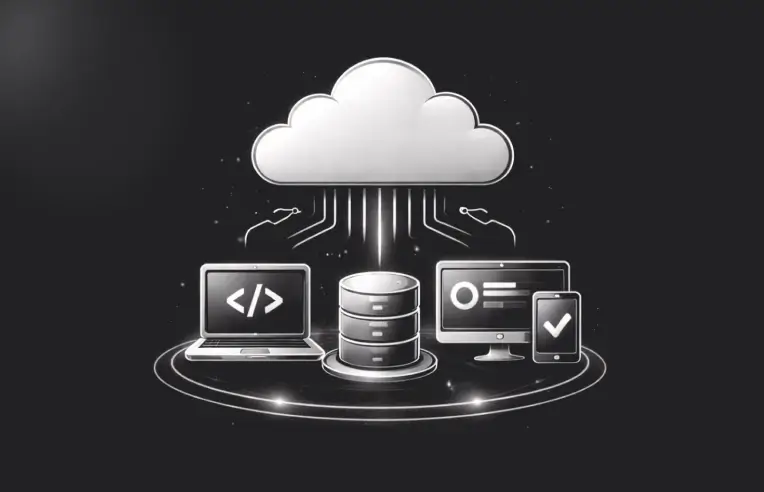
Secure, scalable SaaS deployment designed for rapid onboarding, high availability, and centralized management across regions and business units.
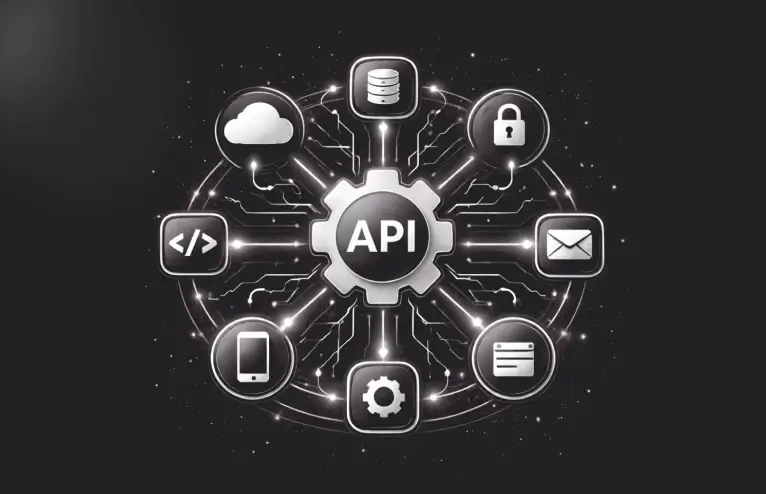
Seamless connectivity with ERP, CRM, HRMS, ITSM, databases, and custom enterprise systems through robust APIs and integration-ready architecture.
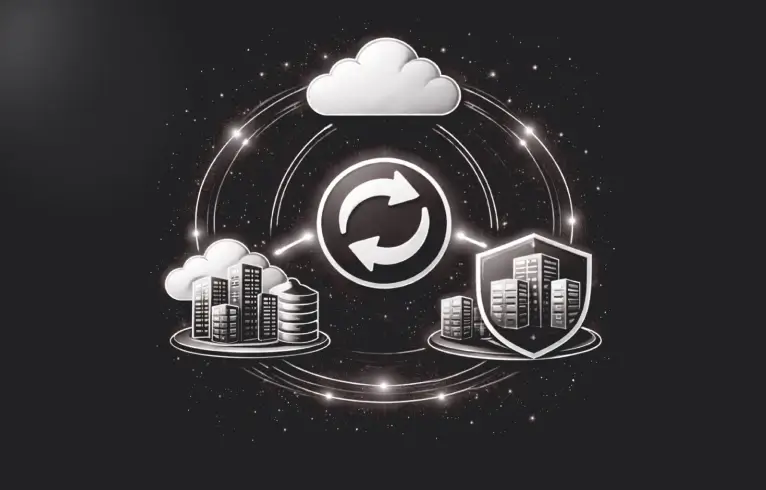
Flexible deployment models enabling controlled pilots within specific departments or full-scale enterprise implementation with governance and access controls.
Get answers to the most common questions with DTskill
No. Go AI integrates with existing systems and acts as an intelligence and automation layer on top of them.
Yes. Go AI is configurable across industries, including manufacturing, utilities, logistics, BFSI, and enterprise shared services.
By continuously analyzing workflows, identifying bottlenecks, automating routine decisions, and triggering corrective actions in real time.
Yes. Go AI is built to operate across departments, regions, and large-scale enterprise environments with full governance and audit visibility.
Yes. Go AI supports configurable decision trees, rule-based logic, and AI-assisted contextual decision models to handle both simple approvals and complex, multi-variable workflows.
Yes. Go AI supports configurable business rules, logic updates, and workflow adjustments, allowing organizations to refine automation strategies as processes change.
Transform enterprise operations into adaptive, self-optimizing systems.